
Don't Let Your Attic Cook Your Roof: The Importance of Ventilation in Oklahoma Summers
We all know how intense an Oklahoma summer can be. As the temperatures climb, we retreat indoors, thankful for our air conditioning. But while we're staying cool, the sun is relentlessly beating down on our homes, and one of the most vulnerable areas is the roof. The intense heat can build up in your attic, creating a super-heated space that silently damages your home's structure and drives up energy bills. For homeowners in the Tulsa area, understanding the role of proper attic ventilation isn't just about comfort—it's about protecting your most significant investment. An effective ventilation system is the unsung hero of a healthy, long-lasting roof.
What Happens in an Unventilated Attic?
Think of your attic as a sealed box sitting in the sun. Without anywhere for the heat to go, it just gets hotter and hotter. On a 90°F day in Green Country, the temperature inside an under-ventilated attic can soar to over 150°F. This extreme heat creates two major problems for your home.
First, it radiates downward into your living spaces. Your air conditioner is forced to work overtime just to maintain a comfortable temperature, leading to a noticeable spike in your monthly energy bills. You're essentially paying to cool your house while a furnace rages just above your head.
Second, and more critically, this trapped heat bakes your roofing materials from the inside out. Asphalt shingles are designed to withstand the sun, but not constant, extreme heat from below. This process can cause the shingles to lose their protective granules, become brittle, and start to curl or crack years before their expected lifespan is over. This premature aging leads to a greater risk of leaks and the need for a costly, early roof replacement.
Telltale Signs of Poor Attic Ventilation
How can you tell if your attic is struggling to breathe? The signs of poor ventilation are often mistaken for other issues, but they paint a clear picture when you know what to look for. Here are a few common red flags:
- Consistently High Energy Bills: If your summer cooling costs seem excessive, your AC unit might be fighting a losing battle against a super-heated attic.
- Hot Ceilings or Upper Floors: The rooms on your top floor feel stuffy and noticeably warmer than the rest of the house, even with the AC running.
- Curling or Cracking Shingles: A visual inspection of your roof reveals shingles that are deteriorating long before they should be. This is a classic sign of heat damage from below.
- Moisture or Frost in the Attic: In cooler months, trapped warm, moist air can condense on the underside of your roof deck, leading to frost, mold, or mildew growth that can cause wood rot and other structural issues.
If you notice any of these symptoms, it's a strong indicator that your home's ventilation system isn't performing as it should.
How a Balanced System Protects Your Home
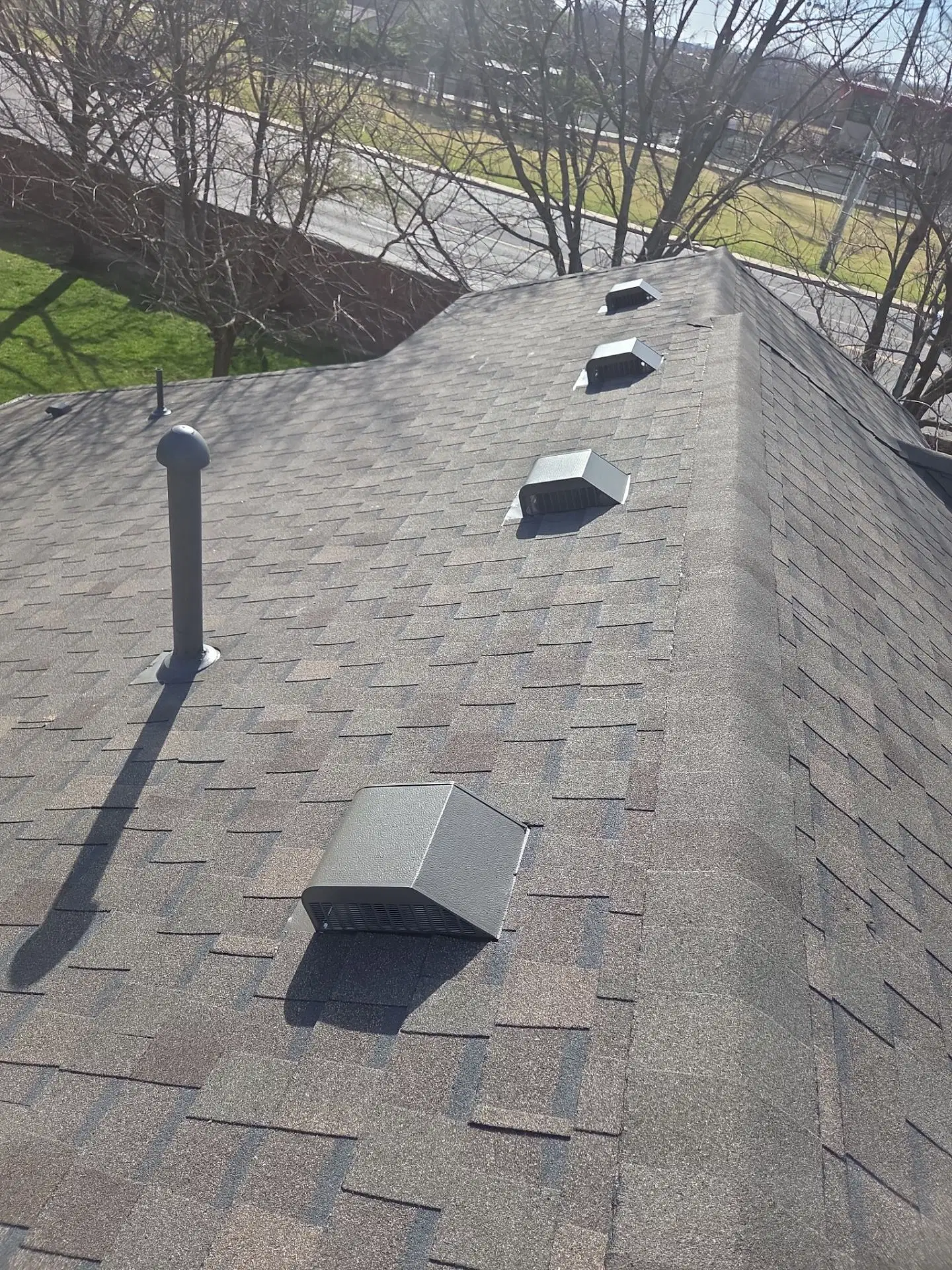
A properly ventilated attic works on a simple principle: air in, air out. A balanced system uses intake vents (usually in the soffits or eaves) to draw in cooler, fresh air and exhaust vents (like ridge vents or turbines) to push out hot, moist air. This continuous airflow prevents heat from building up and offers several key benefits:
- Extends Your Roof's Lifespan: By keeping the attic temperature closer to the outside air temperature, ventilation prevents the shingles and roof decking from being cooked, helping your residential roofing system last its full intended life.
- Lowers Your Energy Costs: A cooler attic means less heat seeps into your home, reducing the strain on your HVAC system and lowering your utility bills.
- Prevents Moisture-Related Damage: Airflow is crucial for removing moisture that can accumulate from daily household activities. This helps prevent the growth of mold and mildew and protects the structural integrity of your roof deck and insulation.
- Improves Overall Home Comfort: A well-ventilated attic contributes to more consistent and comfortable temperatures throughout your entire home, especially on the upper floors.
Is Your Home's Ventilation Doing Its Job?
Protecting your home from the Oklahoma heat is about more than just having vents—it's about having the right system for your home's specific needs. The size of your attic, the slope of your roof, and even the type of insulation you have all play a role in determining the correct amount and type of ventilation required.
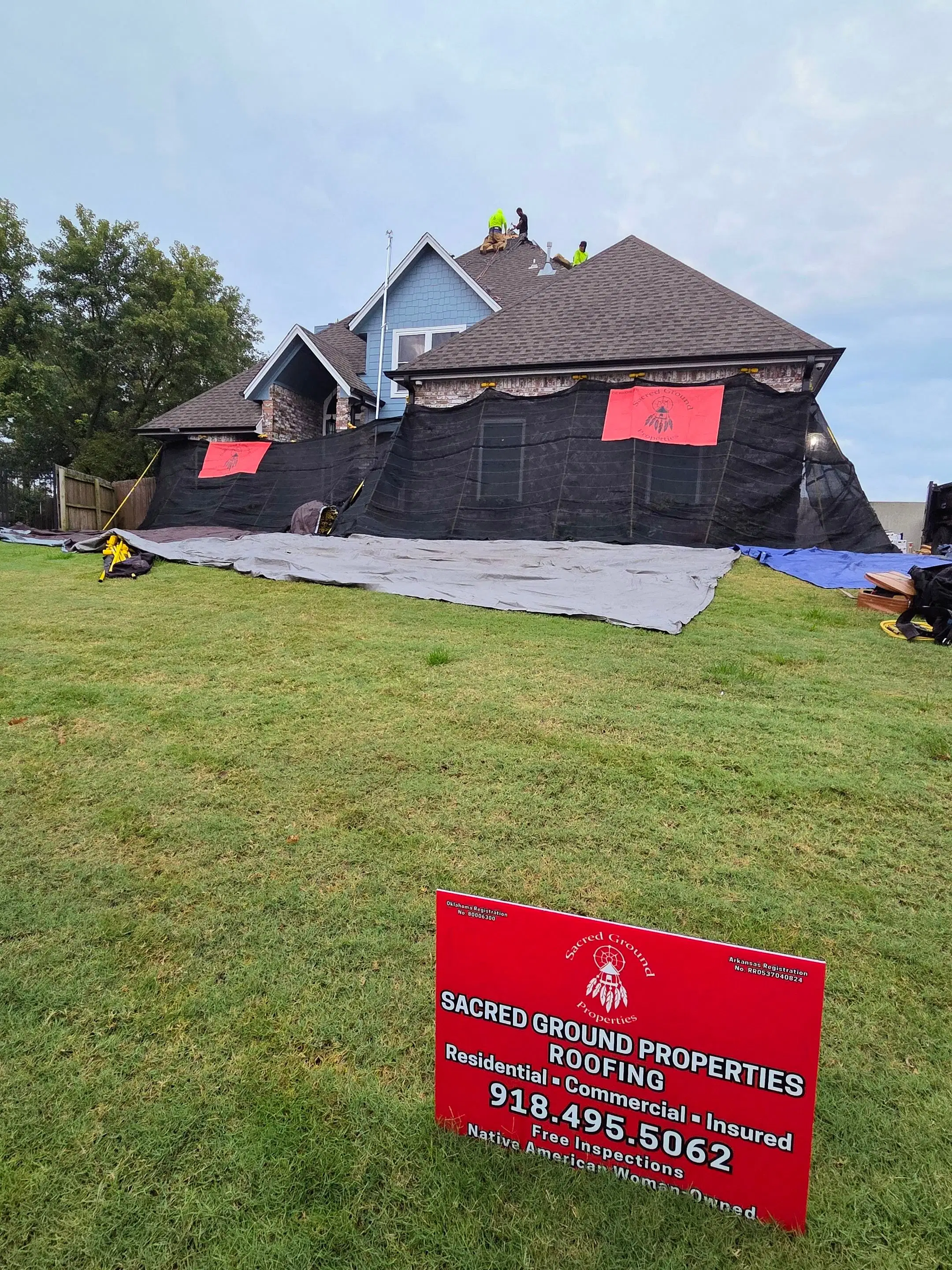
This is where a professional assessment becomes invaluable. During a comprehensive roof inspection, our team at Sacred Ground Properties doesn't just look for damage; we evaluate your entire roofing system, including the ventilation. We check for blocked intake vents, insufficient exhaust, and any imbalances that could be costing you money and shortening the life of your roof.
Don't let a hidden problem in your attic lead to expensive roof damage repair down the road. Ensuring your home can breathe properly is one of the smartest investments you can make. If you're concerned about your home's ventilation or have noticed any of the warning signs we've discussed, contact the team at Sacred Ground Properties. We provide expert attic venting solutions and thorough inspections to keep your Tulsa home safe, comfortable, and efficient for years to come.